The Benefits of EHR Systems for Indian Hospitals: A Comprehensive Guide


In recent years, the healthcare industry in India has witnessed significant advancements, with Electronic Health Record (EHR) systems playing a crucial role. These systems are transforming patient care and hospital management, offering numerous benefits that enhance efficiency and accuracy.
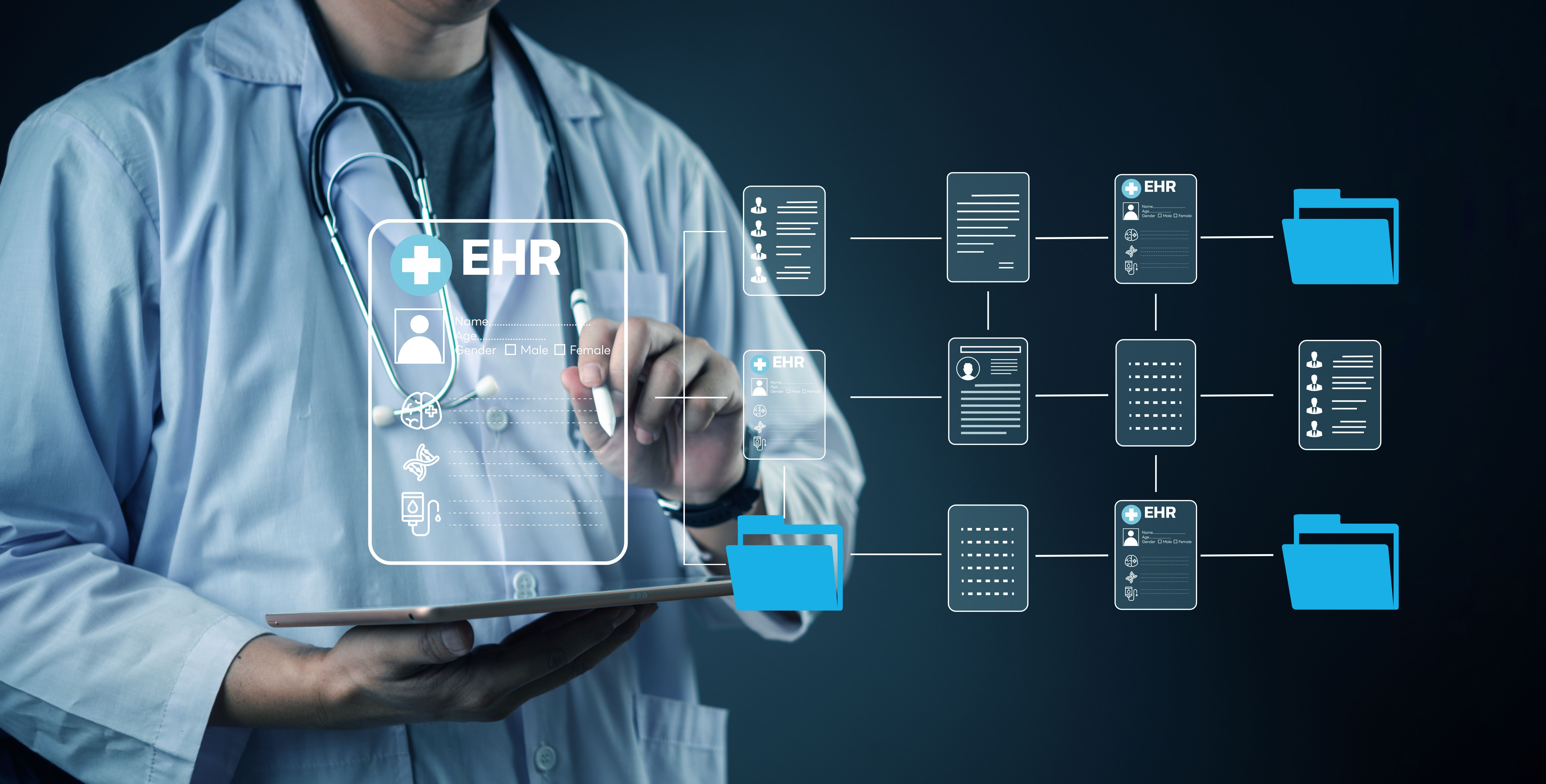
Streamlined Patient Data Management
EHR systems enable hospitals to manage patient data more efficiently. By digitizing records, healthcare providers can easily access patient histories, medications, and treatment plans. This seamless access to information reduces the risk of errors and ensures that patients receive consistent care across departments.
Moreover, EHR systems facilitate the integration of data from various sources, providing a comprehensive view of a patient's health. This integration supports informed decision-making and improves the overall quality of care.
Improved Communication and Coordination
Effective communication is vital in healthcare, and EHR systems significantly enhance collaboration among healthcare professionals. These systems provide a centralized platform where doctors, nurses, and specialists can share patient information in real-time.

This improved coordination helps in preventing misunderstandings and ensures that all team members are on the same page regarding patient care. As a result, treatment plans are more cohesive, and patient outcomes are improved.
Enhanced Patient Safety
Patient safety is a top priority in healthcare, and EHR systems contribute significantly to this goal. By providing accurate and up-to-date information, these systems help prevent medication errors and adverse reactions.
- Allergy alerts and drug interaction warnings are automatically generated.
- Real-time monitoring allows for timely interventions.
- Standardized protocols reduce the likelihood of human error.
Cost Efficiency
Implementing EHR systems can lead to substantial cost savings for hospitals. By reducing paperwork and streamlining administrative tasks, hospitals can allocate resources more effectively. This efficiency leads to lower operational costs and enables healthcare facilities to invest in other critical areas.

Furthermore, EHR systems improve billing accuracy, reducing the need for audits and minimizing the chances of financial discrepancies.
Regulatory Compliance
In India, adhering to healthcare regulations is essential for maintaining standards and receiving accreditation. EHR systems facilitate compliance by ensuring that patient records are accurate, complete, and easily accessible. This compliance is crucial for audits and inspections, providing hospitals with peace of mind and protecting them from potential legal issues.
Patient Empowerment
EHR systems empower patients by providing them with access to their health records. This transparency fosters trust and encourages patients to take an active role in their healthcare journey. When patients can view their medical history, lab results, and treatment plans, they become more engaged and informed decision-makers.
In conclusion, the adoption of EHR systems in Indian hospitals offers numerous benefits, from improved data management and communication to cost savings and enhanced patient safety. As the healthcare landscape continues to evolve, EHR systems will play an increasingly vital role in delivering high-quality care to patients across the country.